
Pla(y)giarism

"Mediocre writers borrow; great writers steal" - T.S. EliotPlaygiarism is the term coined by author Raymond Federman that refers to the intentional, conceptual, and playful re-use of existing source material. In Federman's own use of playgiarism, he specifically remixes the different sources and versions of his own personal narrative to form that he terms a playful self-appropriation. Federman says,
“You're born a playgiarizer or you are not. It's as simple as that. The laws of playgiarism are unwritten, it's a tabou, like incest, it cannot be legalized. The great playgiarizers of all time, Homer, Shakespeare, Rabelais, Diderot, Rimbaud, Proust, Beckett, and Federman have never pretended to do anything else than playgiarizing. Inferior writers deny that they playgiarize because they confuse plagiarism with playgiarism. These are not the same. The difference is enormous, but no one has ever been able to tell what it is. It cannot be measured in weight or size. Plagiarism is sad. It cries, it whines. It always apologizes. Playgiarism on the other hand laughs all the time. It makes fun of what it does while doing it.”
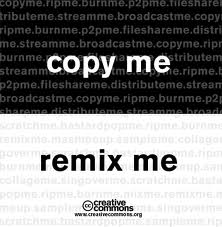
Plagiarism is necessary. Progress demands it. Staying close to an author's phrasing, plagiarism exploits his expressions, erases false ideas, replaces them with correct ideas.In remixthebook, where Lautrémont's practice is featured as one of the earliest "DJ writers," this line is sampled and reconfigured into:
Remixology is necessary. Life depends on it. It inhabits the media language composed by other artists and takes on their expressive qualities while simultaneously attempting to remove their excess or outdated information, replacing it with a more valuable source material.Playgiarism exposes the absurdity that language can be owned; it shows us that all writing is a remix and that remix is necessary in that it keeps alive a peer-to-peer renewal process that generates more potent source material to nurture into existence.
An Exercise in Playgiarism
The Tom Phillips Emulation Students love A Humument. Emulating him is a tried and true exercise. Phillips created A Humument because he was not confident enough to write a poem "on his own" - so this is perfect for art students too. Each student should take a page from anywhere (encourage them to rip a page from a book -- it makes them even more uncomfortable) and create a poem by covering select language with graphical elements.Tips:
- Avoid the magazine collage: ban graphical elements from magazines.
- Give the whole class parts of the Futurist manifesto and ask them to remix it by marking out words.
Another Exercise in Playgiarism
The Procedural Self-Appropriation Remix Engage yourself in acts of self-appropriation. Set a period of time, say, one entire week, for you to steal ideas from yourself and remix them within a constrained writing form. For example, start the day by writing in a stream of consciousness style for twenty minutes straight without stopping. Leave the writing behind and proceed with your day. At the end of the day, reread that writing and remix into a tweet of 140 characters or less. At the end of the week, take these seven tweets and use them to trigger another remix in another medium. For example, if there are a group of students in the same class participating in this remix exercise, have everyone use their seven tweets at the end of the week as a script that you record as an experimental sound piece that everyone then uploads to Soundcloud. Use all of the classroom recordings on Soundcloud as source material to compose an experimental "concept art" album. For a beautiful example of playful self-appropriation as computer-assisted performance art, see Curt Cloninger's art project on remixthebook.com.Questions for the discussion
1. What do you think Federman means when he names Homer, Shakespeare, Rabelais, Diderot, Rimbaud, Proust, Beckett, and (himself) as the great playgiarizers?
2. Compare and contrast playgiarism with plagiarism.
3. Federman thinks that you're either born a playgiarizer or you're not. Now that you have a sense of what playgiarism is, have you ever created anything that was playgiarized? Have you made anything that wasn't playgiarized? How do you know the difference?
Bonus question: Is it possible to be a truly original playgiarist? How would you measure one playgiarist act against another in determining which one was more original?